Market
Capital is committed against demand that can be demonstrated: who will live here, what they pay today, and what else is being built nearby.
Investment
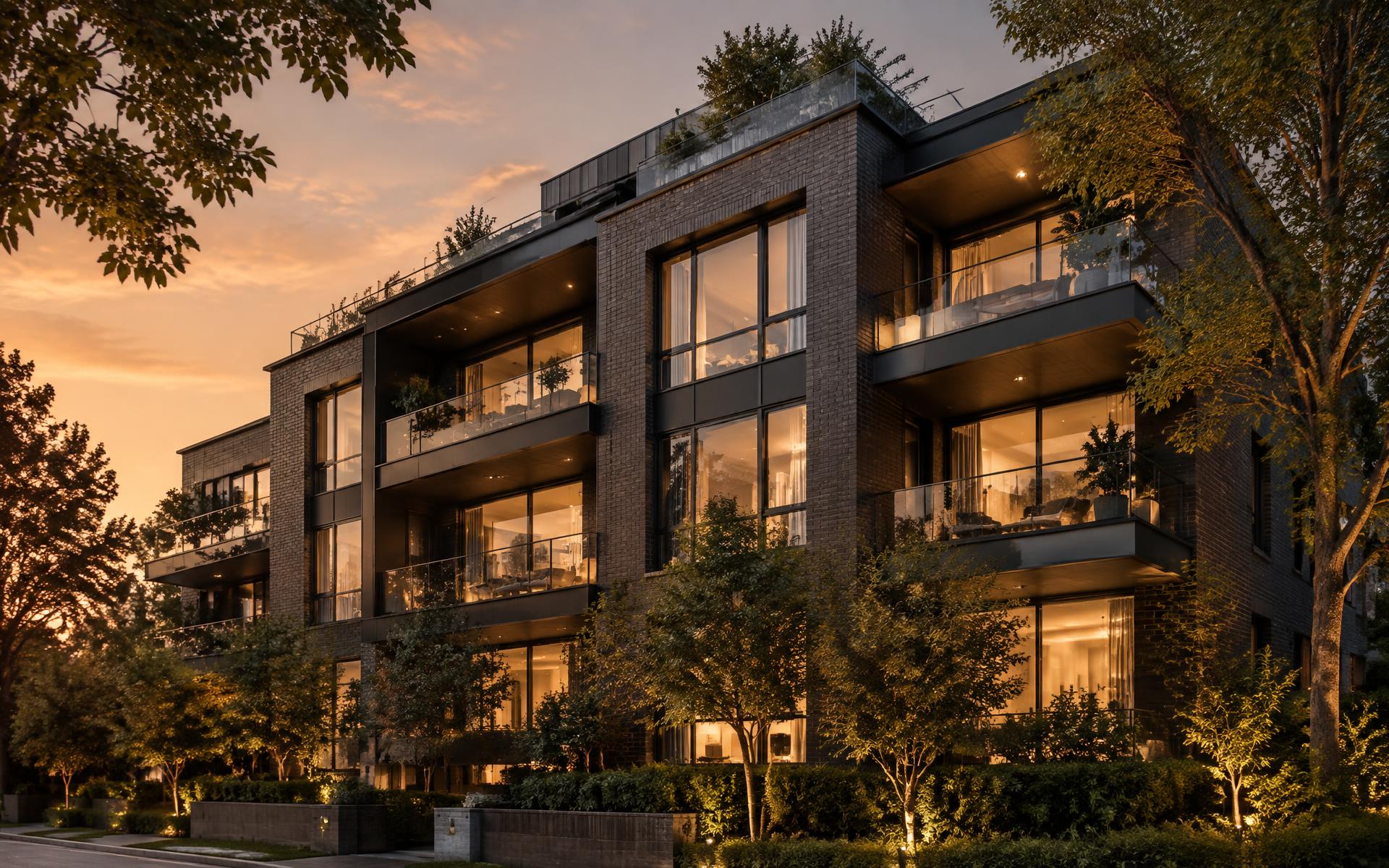
Representative architectural imagery
For private capital, family offices, landowners, lenders and development partners, the capital structure should follow from the project — its market, its site, its risks and its timeline — not the other way around.
How capital fits the project
Capital is committed against demand that can be demonstrated: who will live here, what they pay today, and what else is being built nearby.
Site conditions drive cost and schedule risk. Partners should understand them before, not after, they commit.
Underwriting assumptions are shared openly, with sensitivity to the variables that matter most — rents, construction cost, interest rates and lease-up pace.
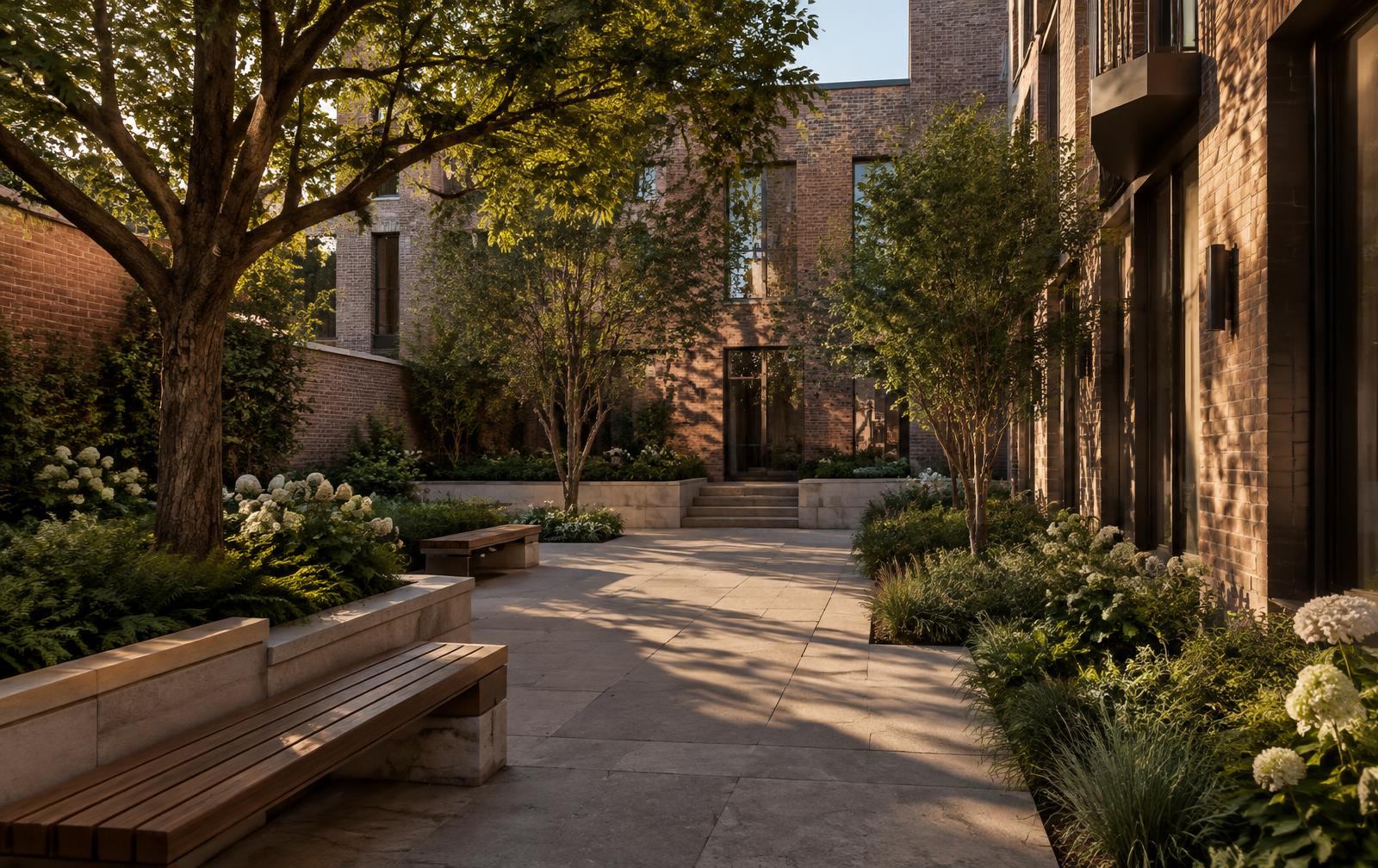
Representative architectural imagery
Whether a project is built to hold or to sell shapes design, materials and financing. That intent is agreed at the outset.
Equity, debt and their terms should match the project's risks and timeline, with decision rights and reporting agreed in writing.
Partners receive regular, plain reporting on budget, schedule, leasing and risk — including when the news is not good.

Representative architectural imagery
We weigh decisions against how the asset will perform and compete for years, not only against the construction budget.
Nothing on this page is an offer to sell or a solicitation of an offer to buy any security. Specific investment information will be provided only to qualified parties.
Contact
If you have a site, a development opportunity, or would like to discuss working together, call our Columbia office or send an inquiry.
Kaplan Property Group
319 Long Pointe Lane, Suite 100
Columbia, SC 29229
Start a Conversation